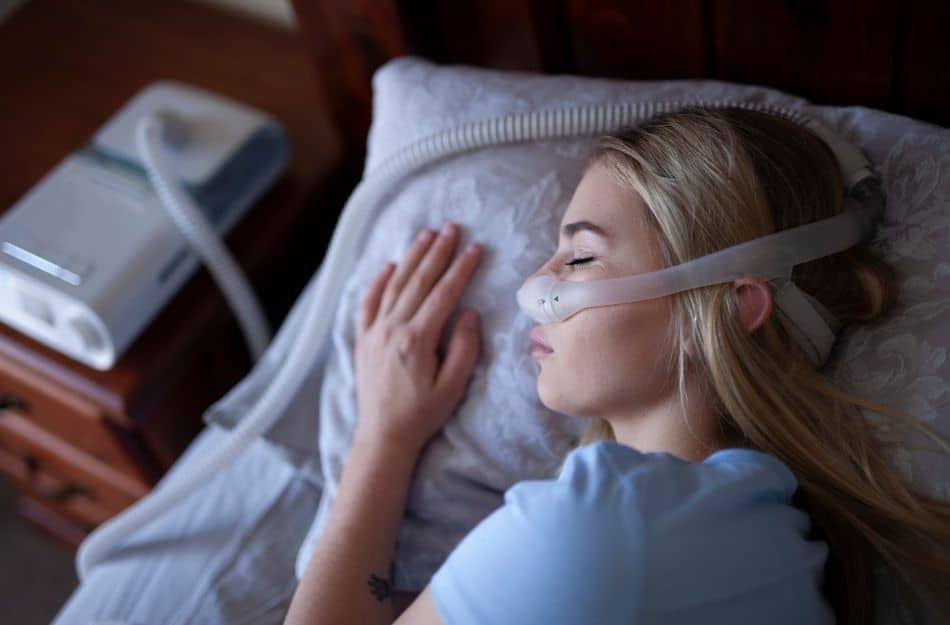

Many people in Westchester County, NY experience jaw pain, headaches, or poor sleep without realizing TMJ issues and sleep apnea can be connected. Our dental office offers comfortable, effective care for both conditions. The FAQs below address common questions to help you understand your symptoms and learn how treatment can improve your daily comfort and nighttime breathing.

Westchester TMJ & Sleep has received an average of

Frequently Asked Questions

Common signs include loud snoring, waking unrefreshed after a full night, daytime sleepiness, morning headaches, dry mouth, trouble concentrating or memory issues, mood changes (irritability or depression), frequent nighttime urination, and high blood pressure. If you notice several of these together, it’s time to get a sleep study.

Yes—once a sleep physician confirms the diagnosis, a sleep-trained dentist like Dr. Wanda Mejia can provide oral appliance therapy as a comfortable, effective CPAP alternative for many people with obstructive sleep apnea. For insurance coverage, most plans require a sleep-physician consult, a valid sleep test, and (for severe OSA) a CPAP trial first.

A custom device gently repositions your lower jaw to better support the airway so it’s less likely to collapse during sleep. It’s comfortable, compact, easy to use and maintain, and—because patients wear it consistently—delivers health benefits comparable to CPAP for many with mild to moderate OSA.

Many types of doctors treat TMJ disorder, from physicians to physical therapists. However, dentists are uniquely equipped to treat your TMJ disorder because of a deep knowledge of your teeth interacting with your jaw and the rest of your body. When you think of a TMJ dentist, don’t just think of teeth. Think of a doctor who has intimate knowledge of your neuromuscular system. Do you need to talk to a Westchester TMJ dentist? Call (914) 594-6854 or schedule an appointment online.

Yes, in most cases, TMJ disorder can be cured. TMJ is caused by a misalignment of your jaw joint. Through a TMJ orthotic, we can determine the proper positioning of your jaw. After that, we can perform some dental procedures to hold your jaw in that position all the time, reducing the likelihood of it slipping back into its old, painful habits.

The first place you’ll usually notice TMJ pain is in the temporomandibular joint (jaw joint), which sits just below your ears. You’ll only notice it on one side. Next, you may start to experience headaches, migraines, ear pain, neck pain, shoulder pain, and back pain.

TMJ disorder can cause many ear symptoms, from pain, hearing loss, ringing, clicking, popping, fullness, and vertigo or dizziness. It might seem odd that your jaw can cause so much disharmony in a different body part, but consider how close your jaw joint is to your ear. Inflammation, swelling, and pinched nerves can pull on your ear canal and cause permanent damage.

Yes, many TMJ and sleep apnea treatments may be covered by medical insurance. Because coverage varies by plan, our team can help review your benefits, explain what may be covered, and outline any expected out-of-pocket costs before treatment begins.

For other dental services, we can also help you understand how your dental insurance benefits may apply so you know what to expect before moving forward with care.

We accept cash, checks, and all major credit cards. For additional flexibility, we work with CareCredit®, Lending Club Patient Solutions, and Proceed Finance (unsecured loans up to $70,000 for up to 108 months). Applications are online and quick, and we’re happy to help in-office.

See What Our Patients Say

Answers You Can Trust

Sleep Apnea & TMJ

Common questions about Sleep Apnea & TMJ symptoms, diagnosis, and care.

Go to Top