 Referrals
 Patient Forms


Why Snoring Occurs and When to Be Concerned
Snoring is more than an annoyance—it can be an early warning sign of sleep apnea in Westchester County, NY, especially when it happens most nights or disrupts your rest. Therefore, understanding what causes snoring can help you recognize when it’s simply noise and when it may point to something more serious.
What Is Snoring?
In simple terms, snoring happens when tissues in the airway vibrate as air passes through a narrowed space. As you lie down and fall asleep, gravity and relaxed throat muscles make the airway even smaller, increasing turbulence and sound. In addition, congestion or inflammation can worsen the vibration, making snoring louder or more frequent.
- During sleep, airway tissues vibrate
- Relaxed muscles narrow the airway
- As a result, gravity increases airway collapse
- In addition, congestion adds to turbulence
- Sound depends on vibrating tissue
Or Call (914) 594-6854
Snoring Dangers
For this reason, if you snore—especially loudly—it’s important not to ignore it. Snoring can signal underlying sleep or health problems, most notably obstructive sleep apnea (OSA), where the airway fully closes during sleep. As a result, this disrupts your rest and increases risks for heart disease, accidents, and even relationship strain. However, even without OSA, snoring can still harm your health and quality of life.
- Loud snoring linked to sleep apnea
- This disrupts deep, restorative sleep
- Increases heart attack and stroke risk
- Raises chance of fatigue-related accidents
- Can strain relationships and cause conflict
Home Care for Snoring
If you snore loudly or frequently, it’s smart to get tested for sleep apnea—a condition that can lead to serious health risks if untreated. However, if your snoring is mild and not linked to sleep apnea, simple lifestyle adjustments may help you reduce or stop snoring naturally.
- Avoid alcohol before bedtime
- Instead, sleep on your side, not your back
- Choose a supportive pillow
- Get regular exercise
- Maintain a healthy weight
Or Call (914) 594-6854
Avoid Some OTC Snoring Treatments
While some at-home options can help with snoring, most over-the-counter remedies don’t live up to their claims—and some can even be harmful. Nasal dilator strips are a safe exception and may reduce snoring caused by nasal blockage. Herbal remedies, however, lack reliable evidence and aren’t FDA-approved for treating snoring. Be especially cautious with jaw-repositioning devices sold without a custom fit, as they can strain your jaw joints and muscles, potentially causing lasting discomfort.
- Nasal strips may help mild snoring
- Herbal remedies lack proven results
- Avoid jaw-repositioning mouthpieces
Snoring Treatment in Westchester County
If home remedies haven’t helped—or you’re ready for a lasting solution—Dr. Wanda Mejia provides personalized snoring treatment in Westchester County. Using CBCT imaging, she identifies where your airway is restricted and determines the best approach. If nasal issues like enlarged turbinates or a deviated septum are the cause, she may refer you to an ENT.
If appropriate, when imaging shows that an oral appliance can help, Dr. Mejia designs a custom device that repositions your jaw to keep your airway open, reducing snoring comfortably and safely.
You don’t have to live with sleepless nights or health risks from snoring. Westchester TMJ & Sleep Wellness can help you rest easier and breathe better.
- Advanced CBCT imaging for diagnosis
- Identifies airway narrowing and cause
- Custom oral appliances available
- Comfortable, noninvasive snoring relief
Or Call (914) 594-6854
Frequently Asked Questions
Snoring Treatment
FAQs
Snoring Treatment FAQs
Snoring may seem harmless, but it can signal deeper issues such as obstructive sleep apnea or airway restriction. Fortunately, effective treatments are available to help you breathe—and sleep—better.
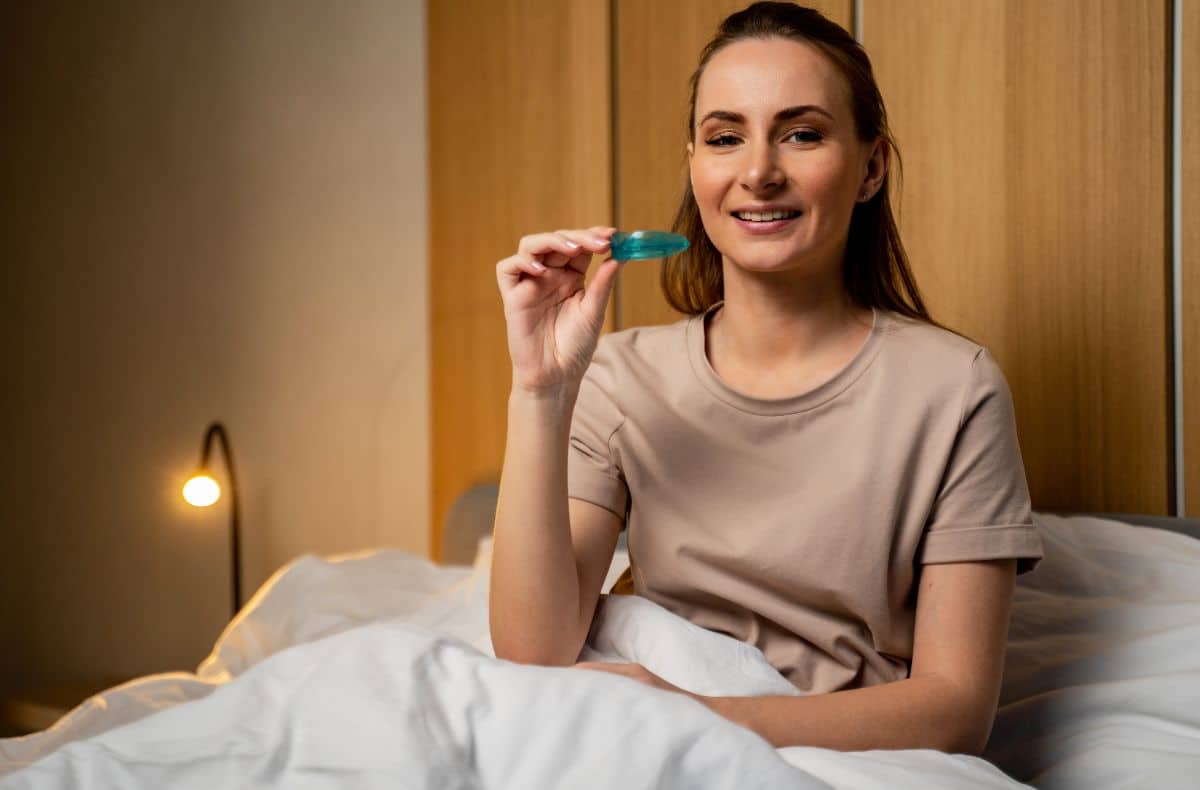
Can a Sleep Apnea Oral Appliance Cause Jaw Pain or Bite Changes?
A sleep apnea oral appliance can sometimes cause jaw soreness, tooth discomfort, or temporary [...]

Understanding The Different Types Of Sleep Apnea
Sleep apnea is a common sleep disorder that causes repeated interruptions in breathing during [...]

The Connection Between TMJ And Sleep
Jaw pain, headaches, facial tension, poor sleep, daytime fatigue, and snoring may seem like separate [...]