 Referrals
 Patient Forms



Who doesn’t love a good night’s sleep? Most everyone knows that feeling of waking up to the birds singing as the sun rises and the world comes alive after a restful night of sleep. Unfortunately, however, there are millions of Americans who don’t often experience that feeling of waking up rested after an uninterrupted slumber. So many people struggle to get sound sleep for so many different reasons. That’s the bad news. The good news is that many of the causes of interrupted, erratic sleep can be treated, especially when addressed through comprehensive dental care in Westchester County, NY, where sleep-related issues and oral health concerns are evaluated together for more effective solutions.
Problems with the temporomandibular joint will affect sleep and cause other symptoms, including:
- Jaw pain
- Headache
- Ringing in the ears
- Face pain
- Clicking/popping noises in the jaw
If you feel tired throughout the day, wake up several times each night, have trouble concentrating at work, and are experiencing pain in the face, jaw, head, and/or neck area, please read on to learn more about how all of these parts of your body are connected to the quality of your sleep.
If you’re reading this blog, there’s a good chance you’re researching jaw pain, headaches, TMJ, and sleep disorders. You’ve come to the right place because today’s focus is the connection between disorders of the temporomandibular joint and sleep.
TMJ will interfere with your sleep in the following ways:
- Cause pain in the head, neck, face, and jaw
- Make it difficult to find a comfortable sleeping position
- Make your ears ache and ring
- Cause you to wake up during the night due to discomfort
TMJ/TMD—Different Names for the Same Condition
When it comes to TMJ/TMD (the acronyms used to refer to the temporomandibular joint and temporomandibular joint disorders), you may be surprised to learn just how inextricably linked the joints of the jaw are to the quality of your sleep. A highly skilled Westchester, NY, neuromuscular dentist can help you find relief from TMJ’s painful symptoms and help you get the great sleep you need to thrive.
Many patients who suffer from the numerous symptoms of TMJ/TMD also suffer from poor sleep. The Westchester TMJ dentists will not only be able to diagnose TMJ-related problems but will be able to treat your TMJ symptoms; effective TMJ treatment will eventually lead to more restful sleep. Some patients treated for TMJ experience better sleep right away, while others gradually come to experience more restful sleep after a few days, weeks, or months of TMJ treatment.
What is the Temporomandibular Joint?
The temporomandibular joint connects your lower jaw, or mandible, to your upper jaw, and it’s one of the most complex joints in the body because it allows for both lateral and vertical movement of the jaw. You have a temporomandibular joint on both sides of your face. Damage to the TMJ may cause a whole host of problems that will likely affect the quality of your sleep.
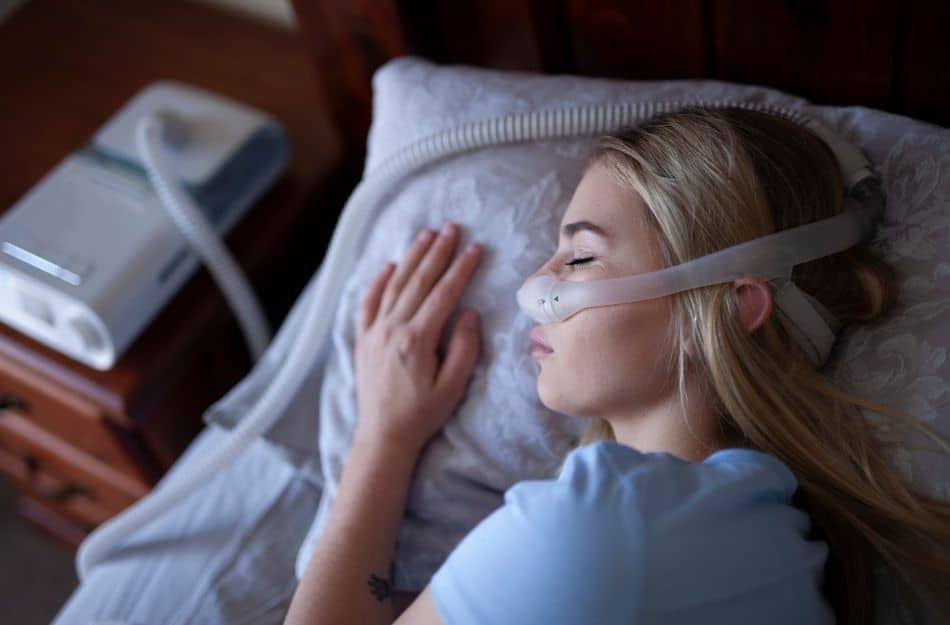
Many different things may cause the painful symptoms of TMJ. TMJ may result from a misaligned bite known as malocclusion; trauma to the jaw that led to injury, damage, missing, or loose teeth; and bruxism (commonly known as teeth grinding and/or jaw clenching). Snoring due to obstructive sleep apnea may influence TMJ; sleep apnea and TMJ are also connected, and TMJ dentists rarely see one condition without the other.
Signs that TMJ is Affecting Your Sleep
Not feeling rested upon waking and feeling sluggish throughout the day are two really good indicators you have been deprived of good sleep due to TMJ. Here are some other signs that TMJ may be affecting your sleep in Westchester County, NY:
- Headaches, especially in the morning
- Pain behind the eyes
- Jaw pain
- Neck pain/stiffness
- Ear pain
- Jaw tightness
- Difficulty chewing and speaking
- Clicking/popping noises in the jaw area
- Tinnitus (ringing in the ears)
TMJ and Sleep
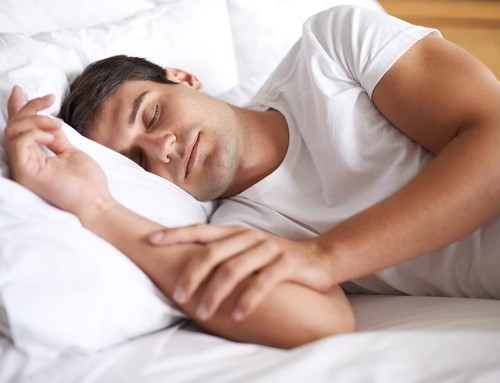
Certain sleep positions may worsen symptoms of both TMJ and sleep apnea, which is why understanding proper positioning becomes an important part of effective treatment. Lying on your side without proper support for your neck and head can aggravate TMJ discomfort, while also narrowing the airway for those with sleep apnea. Sleeping on your back often supports treatment goals for both conditions because it reduces pressure on the jaw joints, keeps the head and neck aligned, and maintains a more open airway. This position also helps minimize nighttime clenching and grinding, which further supports TMJ care while promoting healthier sleep.
Learn More About TMJ and Sleep in Westchester, New York
New York TMJ dentist Dr. Wanda Mejia and the team at Westchester TMJ & Sleep, serving Mohegan Lake and surrounding areas, stand ready to help you combat the painful symptoms of TMJ and the poor sleep that often accompanies TMJ.
Please contact Westchester TMJ & Sleep today at (914) 594-6854 to schedule an appointment. If you’re having trouble sleeping, you may have TMJ or some other condition that can be treated by the neuromuscular dentists.