 Referrals
 Patient Forms



While obstructive sleep apnea is the most common type of sleep apnea that prompts people to find a Westchester, New York, sleep apnea dentist, there are two other types:
- Central sleep apnea
- Complex sleep apnea syndrome
Obstructive sleep apnea is, by far, the most common of the three. Various studies have claimed that as many as 50% of the population has OSA to some degree of severity. Some cases of OSA lead people to gasp and choke for air throughout the night as they sleep. People may stop breathing for ten seconds at a time and repeat this occurrence hundreds of times per night. It makes for a very bad night’s sleep.
Just think of the damage breathing stoppages will cause the human body night after night, month after month, year after year. Sleep apnea is a serious medical condition that may lead to a whole host of medical problems. Losing good quality sleep every night takes its toll on physical, mental, emotional, and intellectual health and well-being.
If you think you have sleep apnea but have not received an official diagnosis, you may be a great candidate for a sleep study. If you have already done that and have been diagnosed with sleep apnea, it may be time to see a Westchester, NY, sleep apnea dentist with the experience, technology, and skill to treat this complex sleep disorder.
Obstructive Sleep Apnea (OSA)
This most common form of sleep apnea occurs during the night when there is an obstruction in the airway. When the tissue in your airway relaxes so much so that it blocks your airway, you will exhibit the signs and symptoms of sleep apnea, such as:
- Gasping for air
- Choking
- Dry mouth
- Snoring
- Fitful sleep
- Feeling tired upon waking
- Difficulty concentrating throughout the day
In obstructive sleep apnea, the tongue falls against the soft palate during sleep, and the soft palate and uvula then fall against the throat. The obstruction of that tissue makes breathing more difficult (even impossible in some cases). When you have OSA, your lungs function normally, but your airway does not.
Men are more likely to have OSA than women, and as you age, your likelihood of developing OSA increases.
Central Sleep Apnea
Central sleep apnea also inhibits your nighttime breathing but not by blocking your airway. CSA is a neurological condition because the brain and nervous system do not consistently send a signal to breathe. The result is that the person with CSA stops breathing.
CSA may sometimes occur in a pattern called Cheyne-Stokes Respirations, which causes a person to alternate between hyperventilating and not breathing at all. This sometimes occurs in people with Congestive Heart Failure (CHF). Some people are asymptomatic with central sleep apnea but others will have these signs and symptoms:
- Insomnia
- Waking up panicked
- Daytime sleepiness
- Difficulty concentrating
Complex Sleep Apnea Syndrome
This type of sleep apnea is a combination of obstructive sleep apnea and central sleep apnea. The symptoms of complex sleep apnea Syndrome are very similar to OSA and include:
- Waking up briefly during nighttime sleeping
- Fatigue the next day
- Confusion upon waking
- Dry mouth
- Headache
- Fitful sleep
- Insomnia
Sleep Apnea Treatment
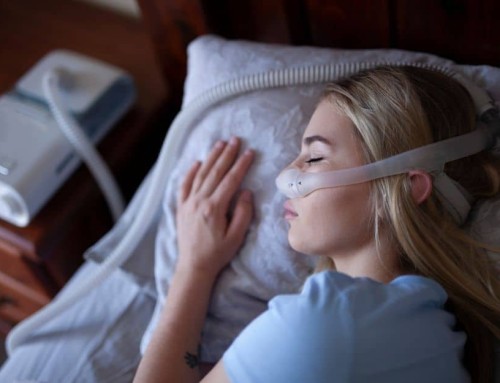
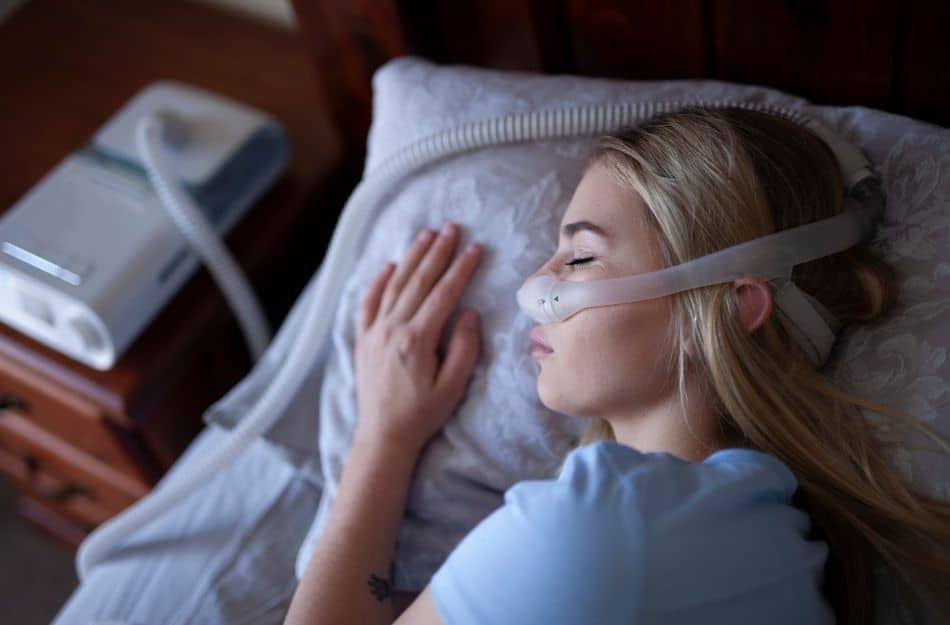
If you are diagnosed with obstructive sleep apnea, your sleep apnea dentist in Westchester, New York, will discuss a number of conservative, effective treatments with you. While CPAP (Continuous Positive Airway Pressure) has been the gold standard for many decades, it’s not for everyone, as it requires wearing a breathing apparatus attached to a machine while you sleep at night.
With so many advances in sleep apnea treatment technology, you’ll see that you need not live with this frustrating, potentially life-threatening condition any longer. You may be a great candidate for Oral Appliance Therapy (OAT), which simply involves wearing an oral appliance while you sleep. In order to know how best to treat your sleep apnea, your sleep apnea dentist in Westchester must perform a comprehensive evaluation.
Learn More About Sleep Apnea in Westchester, New York
If you’re waking up feeling not rested, are having difficulty concentrating at work, and have been told you snore, there’s a very good chance you have obstructive sleep apnea, but there’s help available. If left untreated, OSA can lead to heart problems, stroke, and diabetes. Lack of good quality sleep could lead to anxiety, depression, mood swings, and many other serious medical conditions.
Please contact Westchester, NY, sleep apnea dentist, Dr. Wanda Mejia, today by calling (914) 594-6854 so we can answer your questions or schedule an appointment.