 Referrals
 Patient Forms


The Science of a Headache After Sleeping
At our Westchester TMJ and sleep practice, we understand that your body relies on deep sleep to heal and recharge. It also regulates vital functions like blood flow and oxygen delivery to the brain. However, when airway resistance interrupts this cycle, your brain reacts to the stress of reduced oxygen.
- The oxygen drop: When your airway collapses during sleep, your breathing stops temporarily, causing your blood oxygen levels to plummet dramatically throughout the night.
- Vessel dilation: Your brain recognizes this lack of oxygen and immediately responds by widening your blood vessels. This dilation brings in more blood to compensate. It also increases the pressure inside your skull.
- The morning result: This elevated intracranial pressure manifests physically as a throbbing headache after sleeping, hitting you the moment you wake up and attempt to get out of bed.
Recognizing Sleep Apnea Headache Symptoms
Importantly, not all headaches are created equal. In fact, paying attention to when and how your head hurts can reveal the underlying cause. A headache triggered by a compromised airway has a very specific pattern that distinguishes it from tension, dehydration, or sinus pain.
- The “pressing” sensation: Patients typically describe sleep apnea headache symptoms as a dull, generalized ache or a pressing sensation that affects both sides of the head, rather than a sharp, piercing pain localized behind one eye.
- Fading throughout the day: Unlike a tension headache that builds as your stress levels rise at work, airway-related headaches typically begin to fade within an hour or two of waking up and resuming normal, upright breathing.
Exploring Sleep Apnea Migraine Symptoms
While a standard airway-related headache feels like a dull pressure, the physical stress of suffocating at night can actually be a massive trigger for those prone to severe migraines. As a result, many patients confuse sleep apnea migraine symptoms with traditional migraines. This often leads to years of misdiagnosis and reliance on ineffective medications. Therefore, if you suffer from frequent morning migraines, addressing your nighttime breathing may provide lasting relief.
Or Call (914) 594-6854
The Connection Between Headaches and Snoring
At first, many people view snoring as a noisy annoyance for their sleep partner. In reality, it is a major red flag for your health. Snoring is the audible sound of your airway collapsing and struggling to pull in sufficient oxygen to keep your brain functioning optimally.
- Physical vibration: As the muscles in your throat relax during sleep, the airway narrows, causing the surrounding tissues to vibrate violently as air is forced through the narrow space.
- A major warning sign: This is exactly why chronic snoring is one of the most prominent and recognizable warning signs of Obstructive Sleep Apnea (OSA).
- Beyond the noise: If you snore heavily and wake up with head pain, your brain is likely being deprived of oxygen on a nightly basis, making the combination of headaches and snoring a dangerous medical issue rather than just a nuisance.
CPAP Alternatives: Treating the Root Cause in Westchester County
If you have sleep apnea, over-the-counter pain relievers will not solve the underlying lack of oxygen. They only mask your morning headaches. At Westchester TMJ & Sleep, Dr. Wanda Mejia focuses on opening the airway permanently using advanced, patient-friendly technology that fits into your lifestyle.
- The struggle with CPAP: We completely acknowledge that many patients hate the noise, discomfort, and bulkiness of traditional CPAP machines, which often leads to poor compliance and ongoing health issues.
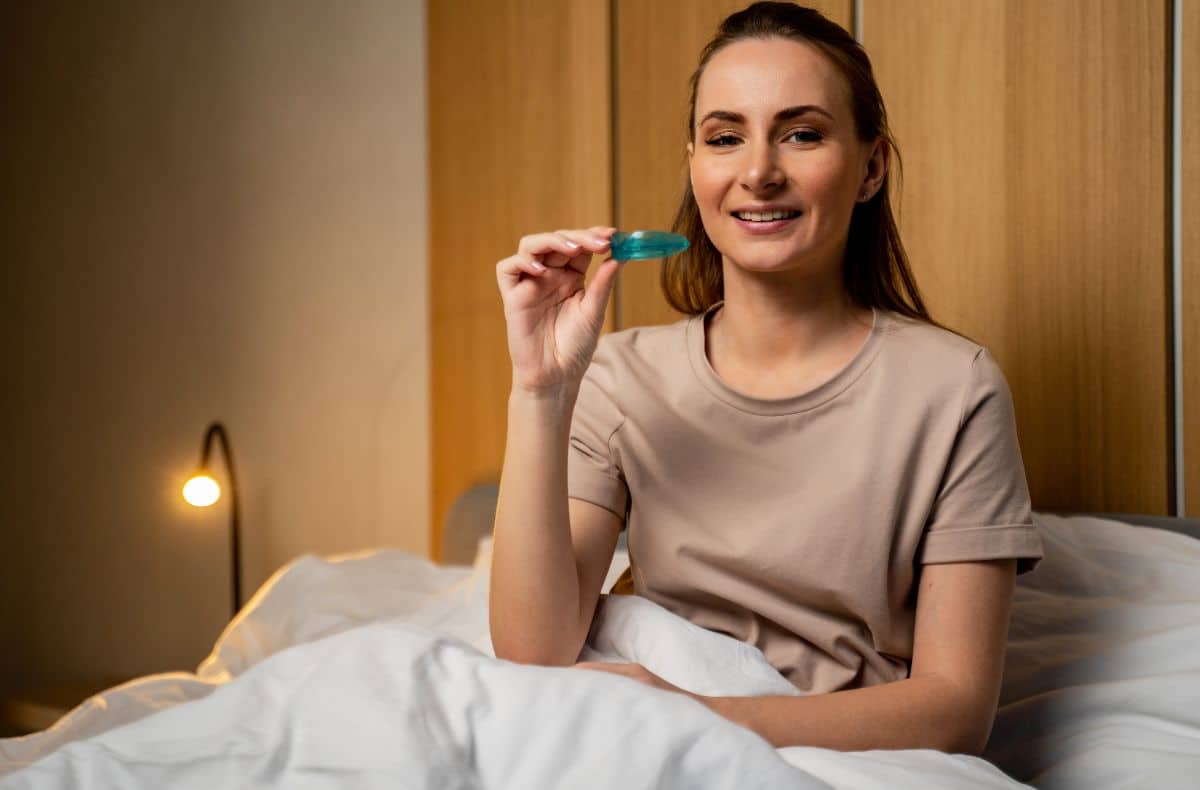
- Oral Appliance Therapy: We offer custom-milled, precision sleep appliances as a highly effective, comfortable CPAP alternative for sleep apnea treatment.
- How the appliance works: This small, retainer-like device gently shifts your lower jaw forward, keeping the airway open and unobstructed all night long so you can breathe freely and wake up without pain.
Or Call (914) 594-6854
Navigating Medical Insurance for Sleep Apnea Treatment
Understandably, seeking treatment for sleep breathing disorders can feel overwhelming. Insurance coverage often adds to that confusion. Our Mohegan Lake office goes above and beyond to make your path to a pain-free morning as smooth and accessible as possible.
- Medical vs. Dental: Because sleep apnea is a diagnosed medical condition with systemic health implications, oral appliances are often billed under your medical insurance rather than your dental insurance.
- Our dedicated support: Dr. Mejia and her team handle the grueling process of filing with medical insurance for you, working diligently to maximize your benefits and minimize your out-of-pocket costs and stress.
Stop Waking Up in Pain: Schedule Your Sleep Evaluation Today
Fortunately, you do not have to accept morning headaches, daytime fatigue, and chronic snoring as a normal part of your everyday life. Dr. Wanda Mejia and the team at Westchester TMJ & Sleep are here to help you breathe freely and sleep deeply. You can wake up feeling refreshed and ready for the day.
We proudly serve patients throughout Westchester County, NY, offering comprehensive airway evaluations and advanced, comfortable alternatives to CPAP machines.
Or Call (914) 594-6854
Frequently Asked Questions
Morning Headaches FAQs
Morning Headaches
FAQs
It is completely normal to have questions when trying to figure out the exact source of your chronic pain and daily fatigue. Here are straightforward answers to the most common questions our Westchester County patients ask regarding the connection between their sleep quality and their head pain.
Can a Sleep Apnea Oral Appliance Cause Jaw Pain or Bite Changes?
A sleep apnea oral appliance can sometimes cause jaw soreness, tooth discomfort, or temporary [...]

Understanding The Different Types Of Sleep Apnea
Sleep apnea is a common sleep disorder that causes repeated interruptions in breathing during [...]

Full Mouth Rehabilitation After TMJ Treatment
Finding relief from TMJ symptoms is often a life-changing experience. After years of dealing with [...]