 Referrals
 Patient Forms



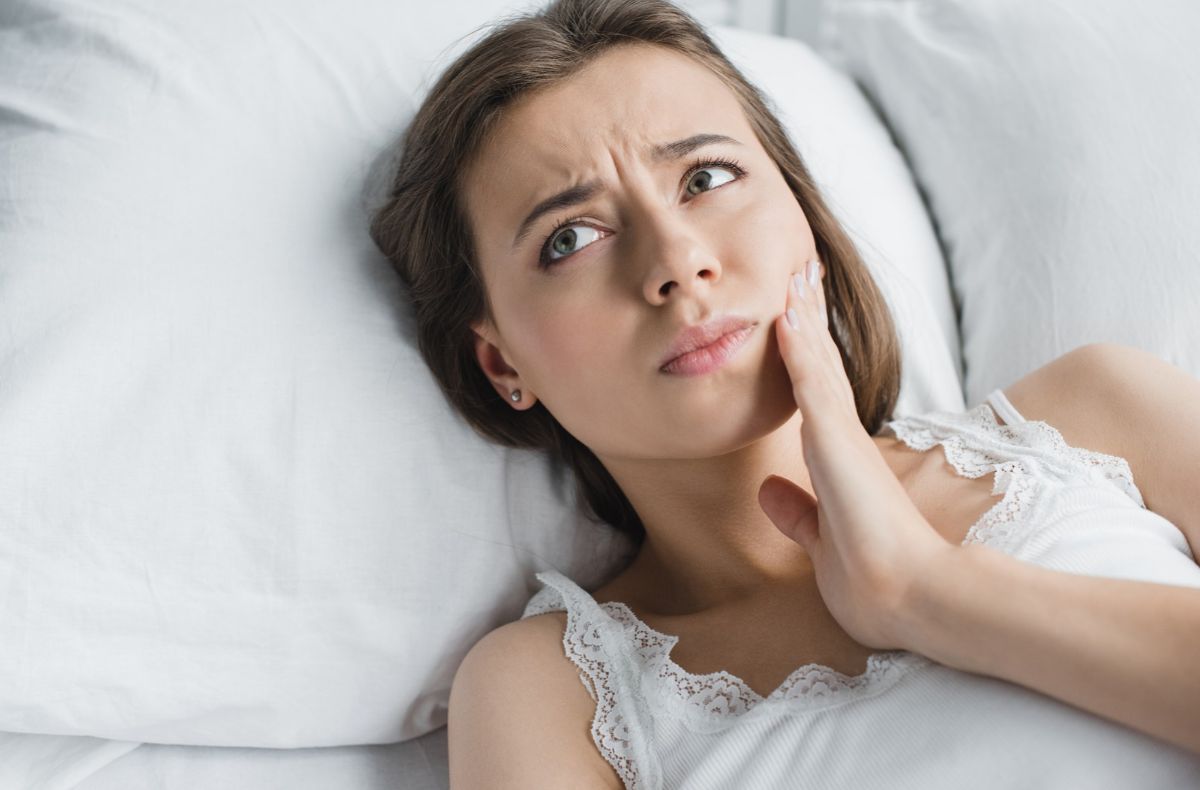
You open wide to yawn and hear a click near your ear. Maybe you notice a pop with the first bite of a meal, or you hear it only on one side.
Jaw popping when opening your mouth can be harmless. Our Mohegan Lake dentist helps you understand when clicking is common and which symptoms deserve a closer look.
What Causes a Click or Pop When You Open Wide?
Your temporomandibular joints, often called TMJs, sit just in front of your ears. They help your lower jaw move when you speak, chew, and yawn.
Changes in the Joint’s Cushioning Disc
Each joint contains a small disc that cushions movement between the bones. Sometimes the disc shifts out of place and slips back as you open or close your mouth. That movement can produce a click or pop.
Several things can affect how the joint moves. If you also have pain or trouble opening wide, an exam can help narrow down the cause.
Why You May Hear Clicking on Only One Side
A click on one side may reflect how that joint moves. Pain and difficulty opening wide offer more useful clues than which side makes the sound.
Notice whether the click happens while chewing, talking, or opening wide. That pattern can help guide an examination.
Is Jaw Clicking Without Pain a Problem?
Painless clicking and popping are common. If you can open and close your mouth comfortably, the sound alone rarely needs treatment.
Avoid repeatedly opening wide to test the click. If you start to notice pain or a catching sensation, have it checked.
When Should You Get Clicking or Popping Checked?
Pain or changes in how you chew or open your mouth are good reasons to have the sound checked. Contact a dental or medical professional if you notice any of the following:
- Pain near your ear, around the joint, or in the muscles you use to chew.
- Catching, locking, or trouble opening or closing your mouth.
- Stiffness or discomfort while eating.
- New clicking after an injury, especially with swelling or worsening pain.
- A noticeable change in how your upper and lower teeth meet.
If your mouth gets stuck open or closed, seek prompt professional care and avoid forcing it to move. Catching, stiffness, and changes in your bite can occur alongside other signs and symptoms of TMJ disorder.
What Can Help If Clicking Comes With Soreness?
If the sound comes with mild soreness, a few changes to your routine may help reduce strain while you arrange an evaluation if needed:
- Choose softer foods for a short time if chewing feels uncomfortable.
- Avoid gum chewing, nail biting, and very wide bites.
- When you catch yourself clenching, let your teeth come apart.
- Try a warm or cool compress if it helps your sore muscles.
Avoid pushing or stretching to try to stop the click. If soreness is your main concern, see what can cause jaw pain and when to have it checked.
How We Evaluate Jaw Clicking in Westchester County
At Westchester TMJ & Sleep, Dr. Wanda Mejia asks when the clicking began, whether it hurts, and whether chewing or opening wide feels different.
What a TMJ Examination May Include
We may check for tenderness around the joints and in the muscles you use to chew. We also observe how far you can open and look at how your teeth meet. When appropriate, we use T-Scan to measure how your teeth make contact, electromyography to assess muscle activity, or CBCT imaging to look more closely at bone.
During the exam, we check whether your symptoms point to a temporomandibular disorder (TMD) and discuss whether TMJ treatment could help.
Does Clicking Mean You Need Treatment?
If you can chew and open comfortably, we may recommend watching for changes. If movement is painful or limited, we may recommend conservative care based on what we find.
We assess worn or damaged teeth separately. Full-mouth reconstruction and dental implants address dental problems that call for their own treatment plan. Clicking alone rarely calls for care and does not warrant permanent changes to your teeth.
Frequently Asked Questions
Jaw Popping FAQs
Jaw Popping
FAQs
Jaw sounds can raise questions even when they do not hurt. Here are a few concerns we commonly want patients to understand before deciding whether to schedule an evaluation.
Find Out What Your Jaw Symptoms May Mean
A clicking or popping jaw can be distracting, but it does not always call for treatment. If you are noticing pain, locking, or changes in movement, our Mohegan Lake team can help you decide on a sensible next step.
For jaw clicking or popping concerns in Westchester County, call Westchester TMJ & Sleep at (914) 594-6854. You can also take our TMJ assessment to share your symptoms as a first step toward discussing whether an appointment with Dr. Wanda Mejia is appropriate.